

Hair transplantation

Hair transplantation is a surgical technique where hair follicles are moved from a part of the body with thick hair, typically the back of the scalp, to areas experiencing baldness or thinning. This procedure is commonly sought for addressing hair loss resulting from genetic factors, stress, trauma, medical treatments such as chemotherapy, or other health conditions.

The primary goal of hair transplantation is to rejuvenate the hair’s natural appearance, significantly enhancing self-esteem and confidence. This procedure effectively restores the hairline for individuals who have experienced hair loss due to a variety of factors, thereby revitalizing their overall look and giving them back their youthful hair.

Recently, hair transplantation has surged in popularity as a cornerstone procedure in cosmetic surgery, offering a sought-after solution for those grappling with baldness.

Hair transplantation
methods:

  1. DHI hair transplantation: Hair transplantation The DHI method (Direct Hair Implantation) is one of the methods by which hair transplants can be performed. The main feature of the DHI method is the use of a special tool called the Choi Implanter Pen for the direct implantation of hair without first creating a channel or hole in the skin.
    Prerequisite: The advantages of the DHI method include faster healing, a lower risk of damage to the hair follicles and greater precision in hair implantation. However, this method may require a certain amount of experience and specialised equipment to perform the procedure successfully.
  2. Sapphire FUE Hair Transplant: Sapphire FUE (Follicular Unit Extraction) hair transplantation is a method in which hair follicles are extracted from the donor area, usually the back of the hair, using special sapphire razors. These follicles are then transplanted into areas with baldness or sparse hair.
    Prerequisite: The advantages of Sapphire FUE include a number of benefits such as more precise harvesting of follicles, less trauma, faster recovery and better hair transplant results. However, the success of the procedure also depends on the qualification and experience of the surgeon.

Each method has its own advantages and disadvantages, and the choice of a particular method may depend on the patient's needs and preferences, the characteristics of the hair cover and the surgeon's experience and preferences.

The method of hair transplantation is determined by the doctor after examining the patient in the clinic and reviewing the necessary tests.

A hair transplant can be performed on areas of the body where hair loss or sparse hair is present. The most common areas where hair transplantation is performed include

  1. Head: The most common area for a hair transplant. Here, hair restoration can be performed in areas of hair loss on the forehead, crown or temples.
  2. Eyebrows: Hair transplantation in the eyebrow area can be performed to increase the density of the eyebrows, to fill in sparse areas or to restore eyebrows after trauma or permanent make-up.
  3. Moustache and beard: Hair can also be transplanted into the moustache and beard area to create or increase volume and density.
  4. Neck: In some cases, a hair transplant can also be performed to restore hair to the neck area.
  5. Body: Some people are interested in a hair transplant to correct sparse or missing hair on other parts of the body, such as the chest or back.

The choice of specific hair transplantation sites depends on the patient’s individual needs and wishes, but also on how effectively the hair will grow in that area.

  1. It is recommended to abstain from alcohol consumption and smoking 1-2 weeks before the operation. This will help to optimise the healing process and the hair transplant will provide better results.
  2.  On the day of the operation, drinks containing caffeine should be avoided. This will help to reduce the risk of possible complications and improve the overall outcome of the procedure.
  3. The day before the procedure, it is advisable to wash your hair carefully without using any additional products. This ensures that the procedure is carried out under optimal conditions and minimises the risk of skin irritation.
  4. It is recommended to choose comfortable clothing when preparing for the operation, as you will have to spend some time in a horizontal position after the procedure. This ensures maximum comfort and convenience during and after the procedure.
  1. Systemic diseases: Some systemic diseases, such as unstable cardiovascular diseases, autoimmune diseases or circulatory disorders, may contraindicate the operation.
  2. Poor condition of the scalp: The presence of inflammation, infection or other problems on the scalp can increase the risk of complications during the procedure.
  1. Extraction of the hair follicles. Each follicular unit is harvested from the donor area for transplantation.
  2. Preparation of the recipient site where the roots are to be transplanted.
  3. Sorting of the follicles/graphs.
  4. Transplantation

Patients come for hair transplantation for 3-4 days.

Day 1 – Arrival day. Check in to the hotel.

Day two – the day of the operation. The hair transplant takes between 5 and 7 hours, depending on the area selected. The operation is performed under local anaesthetic so that you are conscious and feel no pain. After the operation, the patient is collected from the hotel by transfer.

Day three – The next day, the patient can go outside, depending on how they feel. In the second half of the day, the patient is collected from the hotel and taken to the clinic, where they are examined by the doctor and their hair is washed. After the doctor’s visit, the patient can go home.

How does our interaction take place?

Contact Us

We take your enquiry with your preferences and forward the appropriate information to the clinics.

We provide the best medical solutions!

We consult with clinics to provide you with the best options, taking into account pricing, specialist qualifications and your requirements.

In co-operation with the clinic, we create a plan for your arrival

Once you have chosen your preferred clinic and doctor, our first priority is to carefully handle all organisational matters to ensure your ultimate comfort.

Always in touch

Upon arrival in Turkey, we will ensure your comfort in the hospital and the accompaniment of our counsellors throughout the process. We are available 24/7 to help and support you with your questions so that you can focus on your treatment in peace.
There is no extra charge for our services

We are committed to finding the most effective and efficient treatments in our country for your specific needs.

Our services are financed by medical centres.

Any possible payments are made directly at the clinics’ counters.

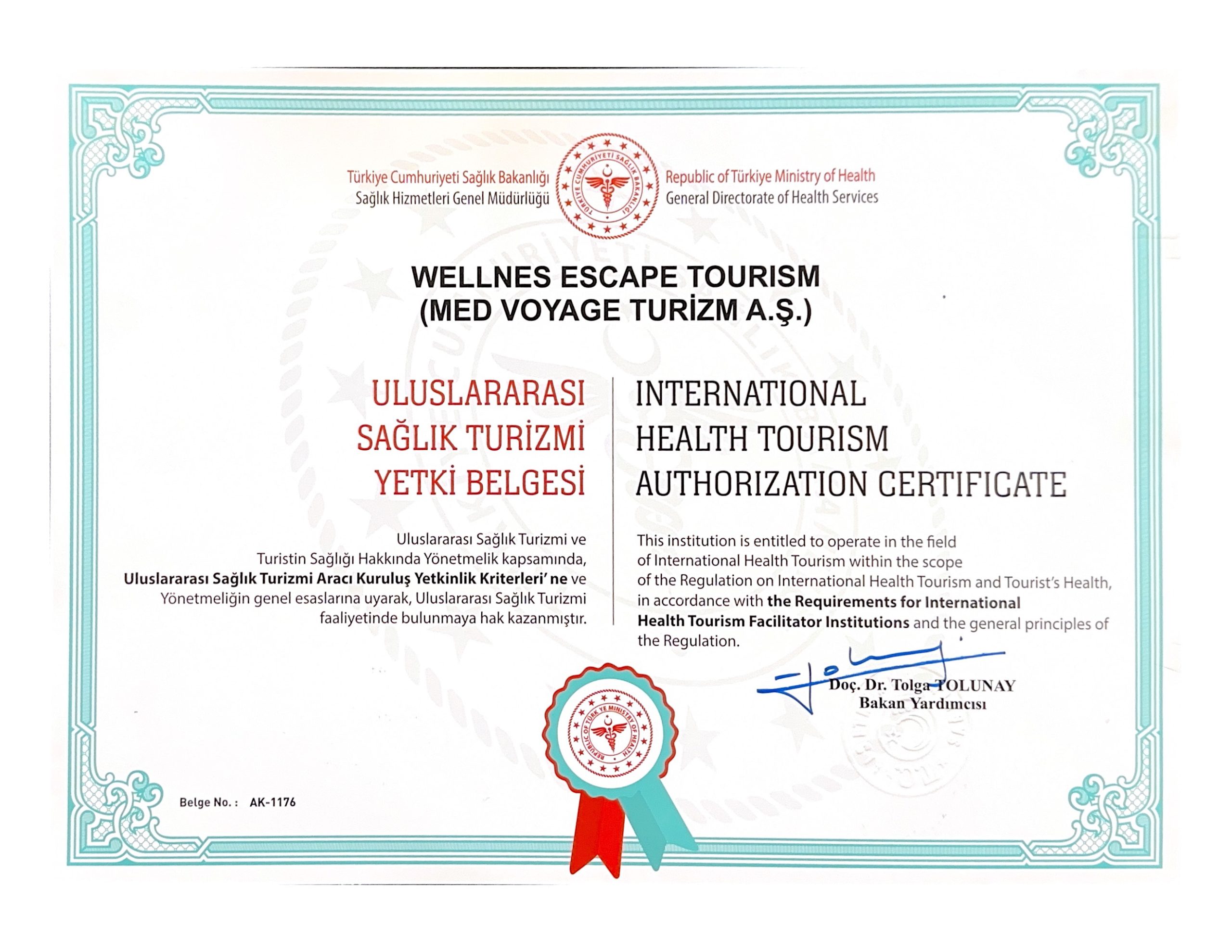
Сертификат2

Our company holds an official licence issued by the Turkish Ministry of Health to carry out activities in the field of medical tourism and engage with patients and medical institutions in Turkey.

Schedule a consultation today and receive comprehensive answers to all your questions!